
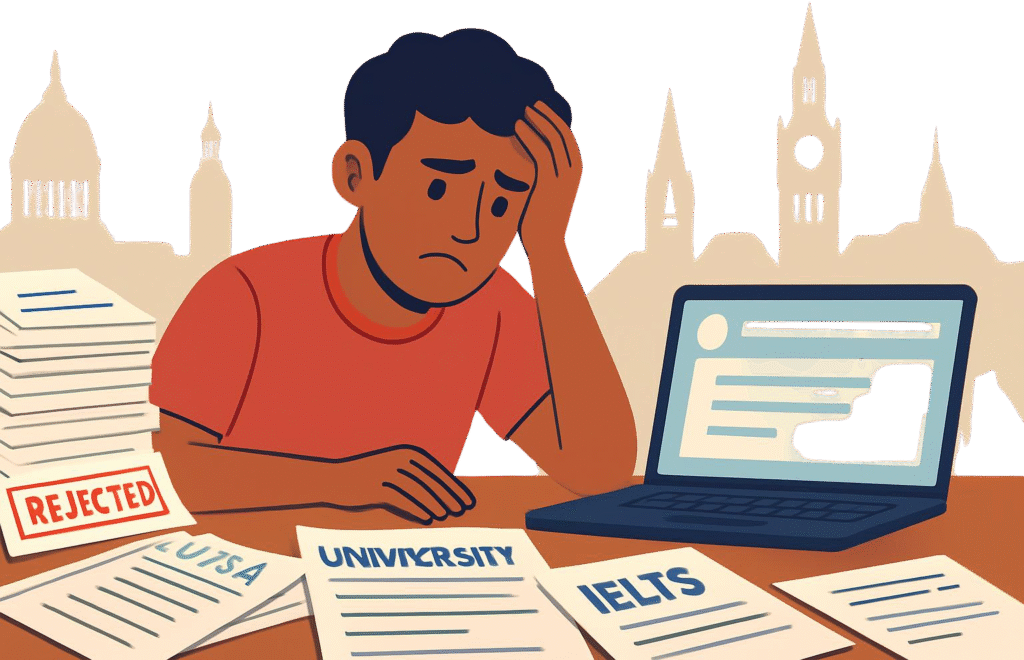
Top 5 Mistakes Indian Students Make When Applying to Study Abroad — And How to Avoid Them
Studying abroad has become one of the biggest dreams for Indian students today. A degree from an international university offers global exposure, better career opportunities, world-class education, and stronger networking opportunities.
But while the dream sounds exciting, the actual application process can quickly become confusing and stressful. Every year, thousands of students face admission delays, scholarship losses, or visa rejections because of Mistakes Indian Students Make When Applying to Study Abroad.
The reality is that even a small mistake can affect your entire overseas education journey. This is why many students first speak with experienced abroad education consulting experts before selecting universities or preparing applications.
Students who are still deciding between countries should also explore our detailed guide on top study abroad destinations in 2026 to compare the USA, UK, Canada, and Australia before applying.
If you are planning to study abroad in 2025 or 2026, understanding these common mistakes early can save you time, money, and unnecessary stress later.
Mistake 1 — Choosing Universities Based Only on Rankings
One of the most common Mistake Indian Students Make When Applying to Study Abroad is selecting universities only because of rankings or brand reputation.
A university may be globally famous, but that does not automatically mean it is the right fit for your budget, career goals, or learning style.
Many students ignore:
- course structure
- internship opportunities
- teaching methods
- living costs
- career outcomes
- job market demand
because they focus only on university prestige.
Why This Becomes a Problem
Students often end up:
- paying extremely high tuition fees
- studying subjects unrelated to their career goals
- struggling academically
- feeling disappointed after admission
How to Avoid This Mistake
Instead of focusing only on rankings:
- compare course modules carefully
- research internship opportunities
- analyze alumni career outcomes
- compare tuition and living expenses
- research industry demand in that country
Students who work with trusted study abroad consultants usually make more practical and financially balanced decisions.
Mistake 2 — Underestimating IELTS, TOEFL, GRE, or GMAT Preparation
Many students assume they can score well in standardized tests without serious preparation. Others take the wrong exam entirely or fail to check sectional score requirements.
This becomes a major issue because test scores directly affect:
- admission chances
- scholarship opportunities
- assistantships
- visa confidence
According to the official ETS TOEFL website, many universities also have minimum sectional score requirements that students often overlook.
Common Test Preparation Mistakes
- starting preparation too late
- ignoring mock tests
- focusing only on overall score
- not checking university requirements
- depending completely on coaching centers
How to Avoid This Mistake
- start preparation at least 3–4 months early
- take full-length mock tests regularly
- research exact university score requirements
- plan retakes in advance
- focus individually on weak sections
Students applying to competitive universities should aim higher than the minimum score requirement whenever possible.
Mistake 3 — Writing Generic SOPs and Weak Recommendation Letters
A weak SOP can destroy even a strong academic profile.
One of the biggest study abroad application mistakes students make is submitting generic Statements of Purpose copied from the internet or written without personalization.
Admission officers review thousands of applications every year. Generic essays become very easy to identify.
Why Generic SOPs Fail
Most weak SOPs:
- sound robotic
- focus only on achievements
- lack personal storytelling
- fail to explain career goals properly
- do not explain why the university is the right fit
Weak recommendation letters can also reduce the overall strength of your application.
How to Avoid This Mistake
A strong SOP should clearly explain:
- your academic background
- career vision
- reasons for selecting the course
- why the university matches your goals
- how you can contribute to the campus
Instead of writing:
“I am passionate about business.”
Explain:
what experiences developed your interest and how your future goals connect with the program.
Students often improve their applications significantly after consulting experienced overseas education consultants who understand university admission expectations.
Mistake 4 — Poor Financial Planning
Financial planning is one of the most ignored parts of the study abroad process.
Many students calculate only tuition fees and completely ignore:
- accommodation
- food expenses
- transportation
- insurance
- visa charges
- emergency savings
- currency fluctuations
This creates major stress later.
Financial Mistakes Students Commonly Make
- applying for scholarships too late
- underestimating living expenses
- depending completely on part-time jobs
- delaying education loan processing
- failing to maintain emergency funds
Students comparing international education costs should also review our guide on top study abroad destinations in 2026 because living expenses and tuition fees vary heavily between countries like the USA, UK, Canada, and Australia.
How to Avoid Financial Problems
Students should create a realistic budget covering:
- tuition fees
- monthly expenses
- travel costs
- insurance
- visa charges
- emergency savings
It is also important to compare living costs by city because studying in London, Sydney, Toronto, or New York can become significantly more expensive than smaller cities.
Students planning finances carefully often make smarter decisions with the help of professional study abroad consultancy services.
Mistake 5 — Visa Application Errors and Poor Preparation
Visa rejection is one of the biggest fears among international students. Unfortunately, many rejections happen because of incomplete documentation or poor preparation.
Students often make mistakes like:
- submitting inconsistent financial documents
- giving unclear interview answers
- missing required documents
- failing to explain study gaps properly
Visa officers carefully evaluate whether the student is genuine, financially prepared, and academically serious.
According to the official Study Australia portal, proper documentation and genuine student intent play a major role in visa approvals.
How to Avoid Visa Mistakes
- follow official immigration checklists only
- double-check all financial documents
- keep application details consistent
- practice common visa interview questions
- explain study gaps honestly
- prepare documents early instead of rushing
Students should also keep both digital and physical copies of important documents before visa interviews.
Post-Admission Mistakes Students Often Ignore
Even after receiving admission, students sometimes make avoidable mistakes like:
- booking accommodation too late
- delaying health insurance
- postponing flight bookings
- ignoring cultural preparation
- failing to manage first-month expenses properly
Preparing early reduces stress significantly after arrival.
Practical Study Abroad Timeline for Students
6–9 Months Before Deadline
- shortlist universities
- prepare for IELTS, TOEFL, GRE, or GMAT
- identify recommenders
- research scholarships
4–6 Months Before Deadline
- take standardized tests
- draft SOPs
- request recommendation letters
- compare university requirements
2–4 Months Before Deadline
- finalize applications
- collect transcripts
- apply for scholarships
- organize financial documents
1–2 Months Before Deadline
- submit applications
- pay deposits if required
- begin visa preparation
- research accommodation
Before Departure
- arrange insurance
- book flights
- prepare banking documents
- connect with student communities
Final Thoughts on Mistakes Indian Students Make When Applying to Study Abroad
Studying abroad is one of the best long-term investments students can make, but success depends heavily on planning and preparation.
Most study abroad application mistakes are completely avoidable if students research carefully, manage finances properly, prepare strong SOPs, and follow visa guidelines correctly.
The process may feel overwhelming initially, but taking a step-by-step approach makes it much easier to manage.
Students who start early and seek proper guidance usually experience smoother admissions, stronger visa outcomes, and less stress throughout the process.
If you are planning your overseas education journey, trusted abroad education consulting services can help simplify university selection, applications, scholarships, SOPs, and visa preparation.




2 Comments
Your comment is awaiting moderation.
[…] Image Credit: Abroad Education Consulting […]
[…] https://abroadeducationconsulting.com/blog/mistakes-indian-students-make-when-applying-to-study-abro… […]
[…] Students who fail to research properly often regret their decisions later. This is one of the common issues discussed in our guide on mistakes Indian students make when applying to study abroad. […]